
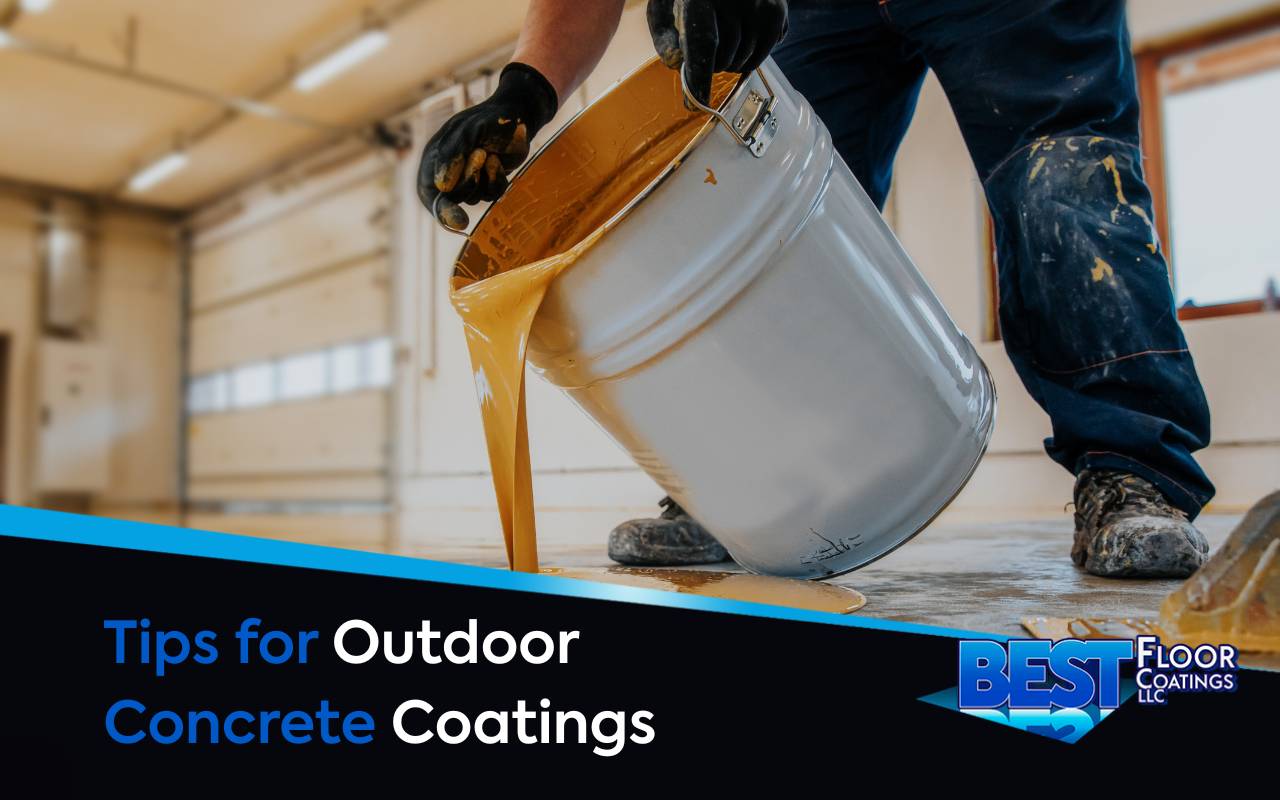
When was the last time you noticed your patio or driveway looking dull? Outdoor concrete coatings provide durability and style while protecting surfaces from weather. Moreover, many homeowners now choose these coatings to extend the life of their outdoor spaces. Applying the right system prevents constant wear, enhances beauty, and boosts property value. With outdoor concrete coatings, you enjoy both aesthetics and resilience. Therefore, explore the following tips to select, apply, and maintain coatings that transform concrete into a lasting focal point.
Consider their versatility—finishes and colors can match personal taste and complement outdoor design. Whether you want a bold look or subtle elegance, the right choice makes a dramatic difference. Ultimately, outdoor concrete coatings represent an investment in protection and curb appeal.
Types of Outdoor Concrete Coatings
Outdoor concrete coatings vary in formulation, each offering unique strengths. Consequently, understanding their properties ensures smarter decisions and better long-term results.
- Epoxy: Highly durable and chemical-resistant, perfect for driveways or garages.
- Acrylic: Quick curing and UV stable, ideal for patios with less traffic.
- Polyurethane: Flexible and abrasion-resistant, recommended for pool decks.
- Polyurea: Fast curing and impact-resistant, excellent for rapid projects.
- Cementitious: Affordable and breathable, blends cement and polymers.
- Decorative stains: Enhance natural texture without heavy film layers.
Knowing the differences helps match outdoor concrete coatings to traffic levels, climate, and desired look.
Factors to Consider Before Choosing a Coating
Several elements affect coating performance. For instance, climate strongly influences durability—UV stability is crucial in sunny areas, while moisture tolerance is essential in wet regions. Traffic load also matters; heavy-use spaces need robust epoxies or polyureas. Lighter-use patios may do well with acrylics.
Aesthetics play a role too. Choose pigmented epoxies or decorative flakes for bold designs, or stains and sealers for natural finishes. Safety requires slip-resistant additives, especially around pools. Lastly, consider budget and maintenance expectations. While premium products cost more, they reduce long-term upkeep.
Preparing the Concrete Surface for Coating Application
Preparation ensures lasting results. Begin with deep cleaning using a pressure washer or degreaser. Remove any old coatings by grinding or stripping. Moreover, repair cracks and fill defects with polymer-modified products. Open concrete pores through acid etching or blasting for better adhesion. Finally, confirm moisture levels are acceptable before applying any system.
Tools and Materials Needed for Coating Project
Gather supplies in advance for smoother application:
- Pressure washer or grinder for cleaning
- Patching compounds and crack fillers
- Chosen outdoor concrete coatings and primers
- Rollers, brushes, squeegees, and mixing tools
- Protective gear: gloves, glasses, respirator, knee pads
- Tape, sheeting, and cloths for surface protection
Having tools ready ensures efficiency and professional results. In addition, preparation avoids delays during the project.
Step-by-Step Guide to Applying Outdoor Concrete Coatings
Start with a clean, dry surface. Then, apply primer if required and let it tack. Mix coating components carefully, ensuring full blending. Spread evenly with rollers or squeegees, working section by section. Broadcast flakes or aggregates while the surface is wet for decorative effects. Apply additional coats as needed. Finally, smooth imperfections before curing, and always follow manufacturer guidelines for drying and recoating windows.
Curing and Drying Time for Concrete Coatings
Drying depends on product type and climate. For example, epoxy coatings usually allow light use after 24–48 hours but need seven days for full strength. Polyurea and polyaspartic cure faster, sometimes within hours. Warm, dry conditions accelerate curing, while cold or damp weather delays it. Therefore, always check product data sheets for exact timing before resuming regular use.
Maintenance Tips for Longevity of the Coating
Regular care extends lifespan. Sweep or rinse surfaces frequently to remove debris. Use mild detergent for deeper cleaning. Inspect coatings often and repair small chips promptly. Moreover, reapply topcoats every few years if recommended. Place mats under heavy objects to prevent scratches. Avoid dragging sharp tools across the coating. Quick attention to spills prevents stains and damage.
Enhancing the Aesthetic Appeal with Decorative Finishes
Decorative finishes elevate plain concrete into a design element. For instance, color flakes add terrazzo-like charm, while metallic systems create reflective appeal. Acid stains mimic natural stone, offering subtle variation. In addition, stenciling or stamping delivers custom patterns like wood or cobblestone. Overlay systems refresh surfaces with new textures and colors. Adding aggregates enhances both style and slip resistance.
Addressing Common Issues and Troubleshooting
Problems may arise, but solutions exist. Blistering often signals trapped moisture—use moisture-mitigating primers to fix it. Peeling usually results from poor preparation; therefore, grind and clean before recoating. Discoloration happens under UV exposure—choose UV-stable systems. Efflorescence indicates water movement; address drainage. Recurrent cracks require flexible sealants. Ultimately, consistent inspection and timely repairs ensure outdoor concrete coatings stay effective.
FAQs about Outdoor Concrete Coatings
What makes outdoor concrete coatings different from indoor ones? Outdoor systems emphasize UV resistance and weather protection, while indoor coatings often focus on aesthetics.
Can coatings be applied over old paint or sealers? No, old layers must be removed to ensure proper adhesion and long-lasting results.
How long do outdoor concrete coatings last? Lifespan varies, but with maintenance, quality coatings last several years before reapplication is needed.
Are outdoor coatings safe around pools? Yes, with added slip-resistant aggregates, coatings provide safe, durable surfaces near water.
When is the best season to apply coatings? Warm, dry weather with stable temperatures is ideal for strong adhesion and proper curing.
Making the Most of Your Outdoor Concrete Coatings
Selecting the right coating, preparing carefully, and maintaining consistently guarantees excellent outcomes. From epoxies to overlays, the wide variety of outdoor concrete coatings ensures you find both durability and beauty. By applying these tips, you preserve your surfaces and extend their lifespan.
Ready to protect and transform your concrete? Learn more about our coating solutions or contact our experts today for personalized advice.