
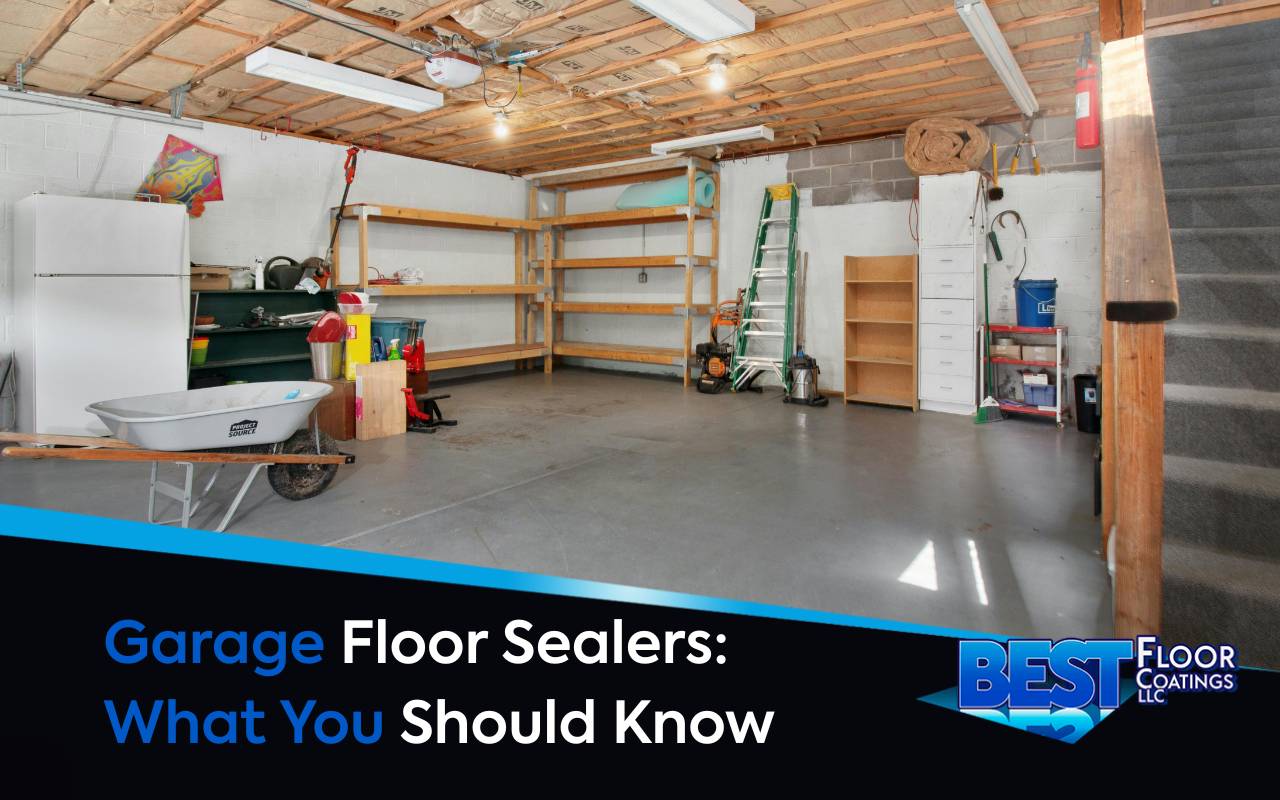
A garage is more than just a space for parking your car; it’s a functional area that can serve as a workshop, storage, or personal retreat. However, despite its importance, the garage floor often faces neglected maintenance. Cracks, stains, and dullness not only diminish its appeal but can also compromise durability. This is where the benefits of garage floor sealers become essential. By understanding how garage floor sealers work, you can preserve both the look and strength of your floor. Even though concrete feels tough, without sealing, it’s vulnerable to moisture, chemical exposure, and everyday wear. Studies show that sealed garage floors can last up to 30% longer than unsealed ones. Whether you’re a DIY homeowner or improving property value, choosing the right sealer is key to long-lasting protection.
Types of Garage Floor Sealers
There are several types of garage floor sealers designed for different needs and appearances. Each option provides unique performance and durability characteristics:
- Acrylic sealers: Easy to apply and fast-drying, they form a thin protective layer that enhances shine.
- Epoxy sealers: Two-part systems that create a tough, chemical-resistant coating ideal for high-traffic areas.
- Polyurethane sealers: Provide superior UV resistance and abrasion protection, ideal for sun-exposed garages.
- Penetrating sealers: Absorb into concrete pores to form an invisible, water-repelling barrier for natural finishes.
Every formulation has benefits—acrylic for affordability, epoxy for resilience, polyurethane for endurance, and penetrating sealers for deep protection. Choosing the right one ensures your garage floor stays strong and attractive for years.
Benefits of Using Garage Floor Sealers
Applying garage floor sealers provides far more than aesthetic improvement. Most importantly, sealing protects against moisture and chemical damage. Unsealed concrete absorbs water, leading to cracks and mold. A quality sealer creates a barrier that blocks liquid penetration, reducing long-term damage. Additionally, sealed surfaces are easier to clean, as oil and dust wipe off effortlessly. Furthermore, the coating enhances slip resistance and durability, while also improving light reflection for a brighter garage. All these reasons make garage floor sealers a smart investment for both performance and appearance.
How Garage Floor Sealers Work
Garage floor sealers protect by forming either a surface coating or by penetrating the concrete. Topical products such as acrylics and epoxies bond to the surface, creating a durable layer that blocks chemicals, oils, and water. Meanwhile, penetrating types react within the concrete to create microscopic barriers that repel moisture. This dual approach ensures protection while maintaining a natural look. Both options minimize wear, reduce maintenance, and extend floor life.
Factors to Consider When Choosing a Garage Floor Sealer
Before selecting a sealer, evaluate your floor’s conditions and usage. Consider these key aspects:
- Traffic level – Heavy-use garages may benefit from epoxy or polyurethane sealers.
- Chemical exposure – Choose resistant options if working with oil, gas, or solvents.
- Temperature and humidity – Follow product guidelines for proper curing.
- Desired finish – Glossy finishes highlight shine, while matte hides imperfections.
- Environmental impact – Select low-VOC options for eco-friendly results.
To ensure a durable finish, always research proper surface preparation and apply multiple thin coats for best results. For professional help, you can learn more about available services that simplify the process.
Preparing Your Garage Floor for Sealing
Preparation is essential for effective adhesion. Begin by removing all vehicles and debris. Clean the surface using a degreaser, and scrub any tough stains thoroughly. Once dry, repair cracks with a patching compound and level the surface. Some sealers may require light etching to open pores for better absorption. Lastly, test for moisture before sealing to avoid peeling or bubbles. Proper preparation ensures lasting protection from your chosen garage floor sealers.
Applying Garage Floor Sealers: A Step-by-Step Guide
Follow these steps for a successful application:
- Gather tools: rollers, sprayers, gloves, goggles, and the selected sealer.
- Mix products thoroughly, especially for two-part epoxies.
- Start from the farthest corner and work toward the exit.
- Apply the first coat evenly, keeping a wet edge.
- Wait for drying before applying a second or third coat.
- Allow the floor to cure fully before heavy use.
Once finished, your floor will gain a protective, professional-grade coating that resists wear and chemical exposure effectively.
Maintenance Tips for Sealed Garage Floors
To extend the life of garage floor sealers, consistent maintenance is vital. Sweep or vacuum regularly to remove abrasive dirt. Clean the surface using mild, pH-neutral detergents, avoiding harsh chemicals. Use mats in high-traffic areas to prevent early wear. If you notice minor damage, reapply a thin layer promptly. You can also contact our experts for professional inspection or reapplication guidance.
Common Mistakes to Avoid When Sealing Your Garage Floor
Avoid rushing preparation or applying the product under poor weather conditions. High humidity or cold temperatures can cause clouding or tackiness. Also, applying too thick a layer may trap solvents, leading to bubbles. Always apply thin coats and follow drying times carefully. Lastly, ensure you’re using tools suitable for sealers to achieve even coverage and a professional look.
Enhancing the Aesthetics of Your Garage Floor with Sealers
Garage floor sealers offer multiple design possibilities. You can select clear coatings for a polished appearance or choose tinted sealers for a uniform color. Decorative flakes or chips can create a terrazzo-like texture, while acid stains produce a marbled, high-end effect. Stencils allow for unique patterns, such as stripes or logos. With the right combination, you can transform your garage into a visually impressive space that aligns with your home’s design.
FAQs About Garage Floor Sealers
How long do garage floor sealers typically last?
Most sealers last from three to ten years, depending on traffic, product quality, and maintenance.
Can I apply a new sealer over an existing one?
Yes, but the old coating must be properly cleaned or lightly abraded to ensure proper adhesion.
Are garage floor sealers slippery?
Some can be, but adding non-slip additives improves traction and safety on the surface.
Do I need professional help to apply a sealer?
While DIY is possible, professional application ensures optimal results and longevity.
Can sealers change the color of my floor?
Clear sealers enhance the existing tone, while tinted or decorative options can alter color dramatically.
Importance of Regularly Maintaining Your Garage Floor
Routine care is the secret to preserving your floor’s strength and beauty. Cleaning, inspecting, and reapplying sealers when needed will prevent damage and extend the floor’s life. With minimal effort, your garage can remain durable, bright, and attractive for many years.